Green hydrogen in freight mobility
High range, operating efficiency and logistics decarbonization.
Learn moreWith zero CAPEX and by assuming the technology risk, we remove any barrier to immediate fleet decarbonization.
Learn moreHigh range, operating efficiency and logistics decarbonization.
Learn moreDiesel still dominates long-haul transport in Brazil, but its hidden costs and strategic risks make its continued use unsustainable for competitive fleets.
Prices subject to international market swings and dependence on imports expose carriers to unpredictable financial risks and margin erosion.
Increasingly strict environmental regulation in Brazil and worldwide threatens operations based on fossil fuels, with a real risk of fines and operational restrictions.
In addition to mandatory periodic stops, diesel fleets face more frequent corrective maintenance, greater mechanical wear and unproductive downtime, increasing operating costs and reducing availability.
Companies that keep polluting fleets face pressure from clients, investors and society, with a growing risk of greenwashing accusations and loss of ESG contracts.
Battery-electric vehicles are a promising solution for short-distance urban transport, but they present critical structural limitations for long-haul operations and heavy loads.
Slow charging: Between 2 and 10 hours of mandatory downtime, directly impacting productivity and cargo delivery times.
Limited range: Only 200 to 500 km per charge cycle, insufficient for most Brazilian interstate routes without intermediate charging.
Additional battery weight: An extra 2 to 4 tons reduces payload capacity, compromising profitability per trip.
Scarce and expensive infrastructure: The fast-charging network for heavy trucks is practically nonexistent in Brazil, requiring major investment.
CAPEX 2 to 3 times higher than diesel: The acquisition cost of heavy electric vehicles is prohibitive for most Brazilian fleets, with no clear short-term payback.
Accelerated degradation: Batteries lose capacity in 8 to 10 years, creating a costly replacement liability with significant environmental impact.
Fontes Verdes develops solutions for the use of green hydrogen as fuel in long-haul heavy transport, viable for one of the most emissions-intensive sectors in the economy.
Road freight transport, especially on long-haul interstate routes, is a segment where high operating range, a characteristic in which hydrogen stands out, makes a unique difference.
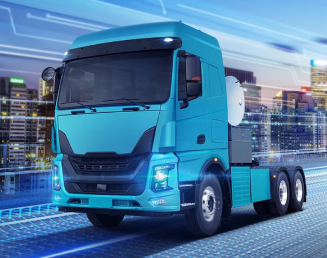
Green hydrogen produced next to the operation guarantees range, eliminates strategic stops and reduces dependence on diesel on long routes.
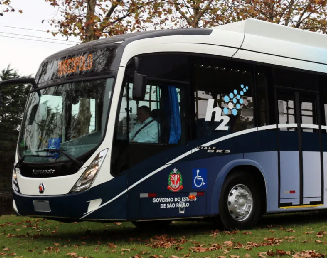
Local H2 refueling enables clean, quiet mobility with lower operating costs for cities that need to decarbonize quickly.
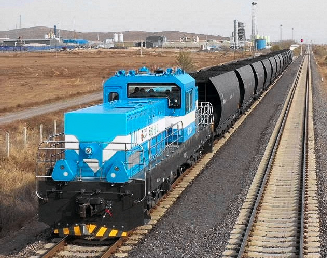
Rail routes gain efficiency and stability by replacing fossil fuels with green hydrogen generated directly at the terminal or operating yard.
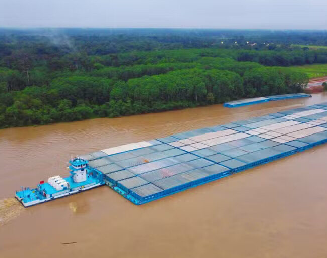
Local H2 production reduces logistics costs, eliminates complex storage and makes navigation cleaner and more predictable on rivers and waterways.
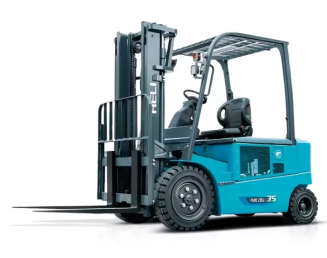
Internal vehicles, forklifts, tractors and heavy equipment operate with more safety, lower emissions and direct refueling at the industrial site.
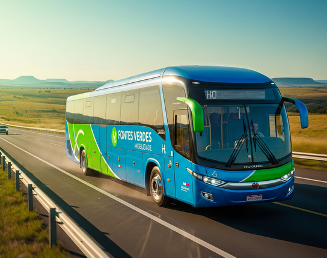
Green hydrogen offers long-duration range, thermal comfort and lower cost per kilometer, ideal for medium- and long-distance coach lines.

Travel long distances with high range and fewer operational stops.

Refuel quickly, reducing fleet idle time.

Operate efficiently on heavy routes and intensive logistics schedules.

Increase predictability, availability and productivity throughout the operation.